


A PU sample is judged first by colour and feel. A sample you like is not necessarily one you can use in your product.
Decide first which product and which part it is for. Separating what you compare by eye, what you try in production and what you check in test data shows what is still unresolved.
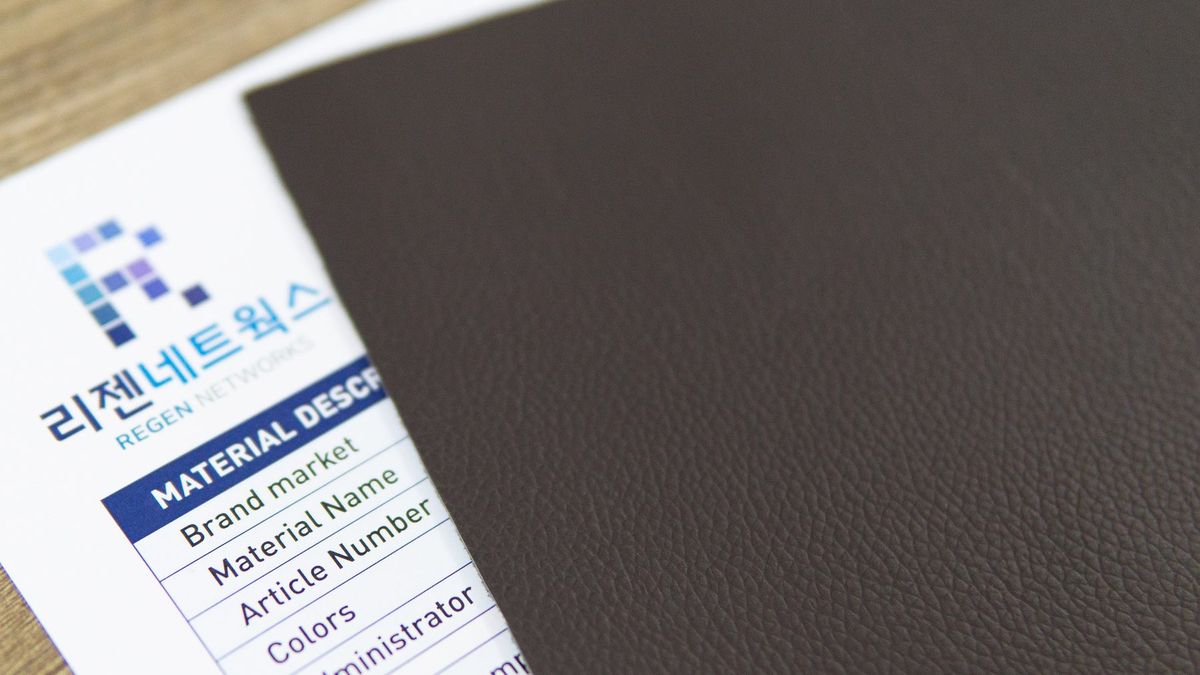
Start with the product and the part it goes on
A material for a bag's outer face and one for footwear or a cover need different things. Even within one product, where the material sits and what it goes through have to be read together.
Sending the points below with a sample request makes the intended use clear to the supplier.
- Indoor or outdoor use
- Contact with skin or with other materials
- Whether it folds or rubs in use
- Which work follows: sewing, bonding or printing
You do not need a full technical specification yet. A photograph of the product with the area marked is enough to start.
Write down the colour, grain and feel you want
Lay the samples side by side and compare thickness and backing, grain and gloss, feel and colour, one pair at a time. Saying only 'like this one' leaves room for two people to understand it differently.
If the colour is to come from the first sample and the grain from the second, write each down separately. Whether the combination can actually be produced is a question for the supplier.
How the finished product is made counts too
If the material will be sewn, bonded or printed, tell the supplier about those conditions as well. What looked fine on the roll still has to be checked as the product is made.
When something goes wrong, the name of the material alone will not identify the cause. Noting which steps the material went through and which area changed narrows the search.
Test results are read with their method and conditions
Durability and other required performance come from test data. Read the method, the conditions and the pass criteria along with the figure: numbers obtained under different conditions are not comparable as they stand.
Ask whether the data belongs to the same specification as the sample under review. Only if the material you receive matches that specification can the data serve as evidence.
For a PU used in hot, humid conditions, hydrolysis resistance matters. Hydrolysis is the chemical breakdown of a material exposed to moisture and heat over time. Check the conditions and duration alongside any hydrolysis data: passing a few weeks of testing does not mean years of service.
Keep the sample and the record together
Record which colour, grain and feel were finally agreed, and keep that with the sample. Separating what changes from what stays means the next sample round does not start from zero.
Sources
- ACT · hydrolysis in PU-coated fabrics and how to read the test results
Material on coated fabric for indoor furniture. Only the hydrolysis and test-duration discussion is used here; its pass criteria are not applied to other products.
Written with reference to the sources above. The specification and performance of the material you buy must be confirmed from its own datasheet and test reports.
Enquire with this guide
Tell us the product or the change you have in mind. The title of the guide you are reading is added to your enquiry.
Prepare your enquiry